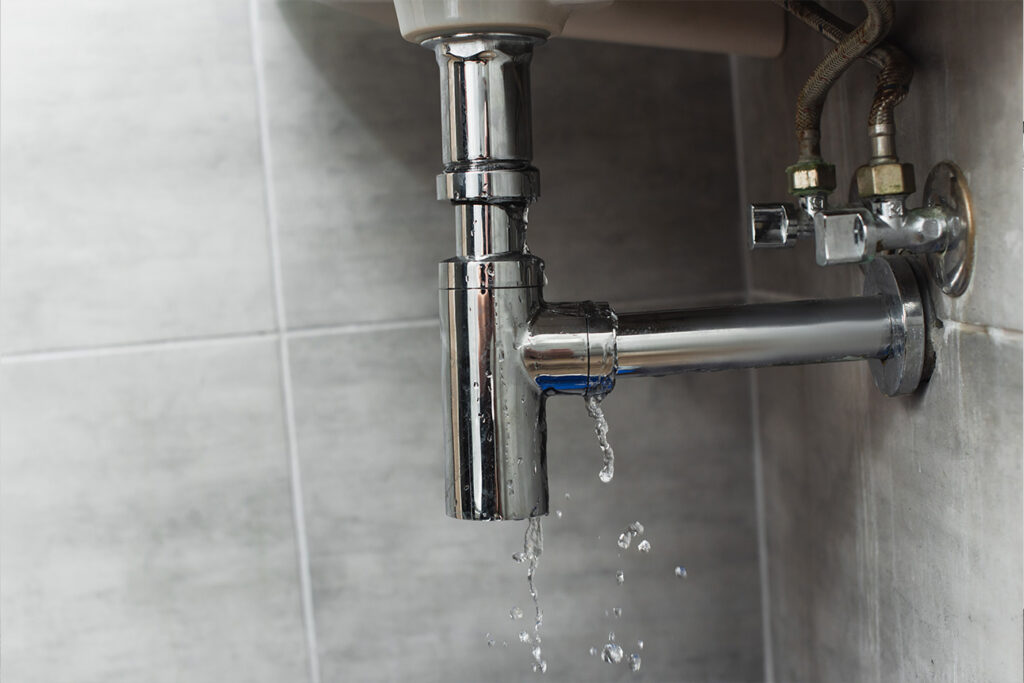
Hidden plumbing leaks quietly cause major damage at both residential and commercial properties. They often go unseen until repairs become costly. Below we’ll walk through what these leaks are, how to spot them early, the tools technicians use to find them, and the repair options that limit disruption and expense. Early recognition and the right response stop mold, structural problems, and runaway bills before they spiral.
What Are Hidden Plumbing Leaks and Why Are They Dangerous?
Hidden plumbing leaks are water leaks that occur inside walls, above ceilings, or underground — out of sight and easy to miss. They happen for many reasons: old or failing pipes, shifting ground, seasonal temperature changes, or mistakes made during installation. Left unchecked, they can weaken structures, encourage mold, and quickly raise water costs.
How Do Hidden Leaks Occur in Residential and Commercial Properties?
Hidden leaks show up for several common reasons. Older systems corrode and crack over time. Soil movement or freeze-thaw cycles can stress fittings and joints. And when plumbing isn’t sealed or routed correctly during construction, small failures can start behind finished walls. In both homes and businesses, these invisible problems often begin small and get worse if not addressed.
What Are the Risks of Undetected Plumbing Leaks?
Undetected leaks carry real risks. Water that soaks into walls, floors, or foundations damages building materials and can lead to costly structural repairs. Damp conditions also support mold growth, which creates health issues and expensive remediation. And quietly running water means higher utility bills — sometimes for months before anyone notices.
Historical reports and case studies highlight how seriously leaks can damage buildings when they go unnoticed.
Plumbing Leaks: Property Damage & Structural Cracks
Early insurance reports documented cases where leaks under structures caused enough distortion to crack storefront windows and other finishes. A joint failure in a 12-inch water main beneath a two-story building is one example of how underground leaks can translate into visible structural damage.
What Are the Common Signs of a Hidden Water Leak?
Spotting a hidden leak early makes a huge difference. Look for unexplained spikes in your water bill, water stains or bubbling paint on walls and ceilings, damp or musty odors, and areas that stay unexpectedly wet.
How Can High Water Bills Indicate a Hidden Leak?
A sudden or steady rise in your water bill is one of the clearest red flags. Compare current usage to previous months — if it jumps without a change in household or business activity, a leak is likely. Estimating the extra gallons can also show how much a leak is costing you each month.
What Visual and Auditory Clues Reveal Concealed Leaks?
Visual signs include discoloration, peeling paint, warped trim, or damp patches on walls, floors, and ceilings. Auditory clues can be just as useful: if you hear water running when nothing is on, or faint dripping inside walls, that’s a strong hint a hidden leak exists. Finding mold or mildew in unexpected places is another common indicator.
How Are Hidden Plumbing Leaks Detected Using Advanced Technology?
Technicians now use non-invasive tools that make locating hidden leaks faster and less disruptive. Methods like video inspections, acoustic listening devices, thermal cameras, and moisture meters help pinpoint problems without tearing open walls or digging up yards.
What Is Plumbing Video Camera Inspection and How Does It Work?
Plumbing video camera inspection uses a small, flexible camera that travels through pipes to show blockages, breaks, and leaks in real time. It tells us exactly where the issue is and what’s causing it, so repairs are targeted and less invasive — which saves time and money compared with guessing and digging.
Studies and field work back up the value of camera-based inspections for accurately mapping plumbing and drainage problems.
Camera-Based Detection for Plumbing Leaks
Tests using real-time image and video feeds from cameras on construction sites and in plumbing systems have proven effective at detecting leaks and drainage faults, giving technicians reliable visual evidence to guide repairs.
Which Other Leak Detection Methods Are Effective?
Acoustic detection listens for the sound of escaping water, thermal imaging finds temperature differences behind surfaces, and moisture meters measure dampness in building materials. Each tool has strengths and limits; we often combine methods to confirm a leak location before making repairs.
What Are the Repair Options for Hidden Plumbing Leaks?
Repair choices depend on where the leak is and how severe it is. For most hidden leaks, professional repairs are the smart move — they stop the damage and reduce the chance of recurrence. Contacting a licensed plumber ensures the problem is diagnosed and fixed correctly.
How Does Trenchless Plumbing Repair Minimize Property Disruption?
Trenchless plumbing repair lets technicians repair or replace pipes with minimal digging. Small access points are used instead of wide trenches, which protects landscaping and hardscapes. The result is faster work, less mess, and often lower overall costs than traditional excavation.
Pither Plumbing provides trenchless solutions and the expertise to combine accurate detection with the best repair approach for your property.
When Is Emergency Leak Repair Necessary?
Emergency leak repair is needed when a leak threatens safety or causes rapid damage — for example, major flooding, sudden loss of water pressure, or heavy visible mold. In those cases, a quick professional response prevents further harm and reduces repair and restoration costs.
What Is the Cost to Repair Water Leaks and Prevent Costly Damage?
Repair costs vary widely based on the leak type, location, how hard it is to reach, and the chosen repair method. Knowing the likely factors helps you plan and compare repair options.
Which Factors Influence Water Leak Repair Costs?
Key cost drivers include whether the leak is under a slab, inside a wall, or underground, how accessible the pipe is, and how much collateral damage has occurred. Hard-to-reach leaks require more labor and time, and extensive water damage increases the scope of repairs.
How Can Early Leak Detection Save Money on Repairs?
Finding leaks early stops them from growing into bigger problems. A small, timely repair can prevent thousands in structural fixes and mold remediation later on. Regular inspections and modern detection tools are small investments that can save a lot down the line.
How Can You Prevent Hidden Plumbing Leaks and Protect Your Property?
Preventing hidden leaks centers on routine maintenance and timely repairs. Regular checks and upkeep reduce the chance a small problem becomes a major one.
What Regular Inspections and Maintenance Help Avoid Leaks?
Schedule routine plumbing inspections to catch wear, corrosion, and loose fittings early. Simple maintenance — checking fixtures for drips, keeping drains clear, and replacing old pipes when needed — goes a long way. Professional inspections give a full picture of system health and catch trouble before it’s hidden behind finishes.
For properties with well systems or special pressure needs, services like pump repair and installation are important preventive steps. Keeping pumps and pressure components in good condition avoids unexpected failures.
How Do Smart Leak Detectors Enhance Leak Prevention?
Smart leak detectors monitor water use and notify you about unusual patterns, leaks, or flooding in real time. Those alerts let you act fast — shutting off water or calling a technician — which greatly limits damage. Adding smart monitoring is a practical, proactive layer of protection for any property.
Smart water systems expand this idea, using networked sensors and monitoring to detect and manage leaks across larger infrastructures.
Smart Water Networks for Leakage Detection & Control
Research on smart water networks shows promise for early leak detection and improved operational efficiency. These systems combine sensors and real-time monitoring to find leaks faster and support quicker responses.
Repair Type | Description | Average Cost |
Trenchless Repair | Non-invasive pipe repair | $1,500 – $4,500 |
Traditional Repair | Conventional digging and pipe replacement | $2,000 – $6,000 |
Emergency Repair | Immediate response to severe leaks | $500 – $3,500 |
This table compares common repair approaches for hidden plumbing leaks and the typical cost ranges. Use it to weigh the trade-offs between minimal disruption and traditional excavation when planning repairs.
Hidden plumbing leaks are a real risk, but they’re manageable. Learn the warning signs, use modern detection methods, and call professionals for repairs. Regular maintenance and smart monitoring reduce the chance of surprises and help keep your property safe and dry.
Frequently Asked Questions
What are the long-term effects of hidden plumbing leaks on property value?
Hidden leaks can lower property value over time. Repeated or severe water damage, visible repairs, and mold concerns make buyers wary and can reduce offers. Proper documentation of repairs, routine maintenance, and prompt remediation help preserve value and buyer confidence.
How can homeowners identify potential plumbing issues before they become leaks?
Homeowners can catch problems early by performing basic checks: watch for slow drains, odd noises, or small drips; inspect exposed pipes for corrosion; and monitor water bills for unexplained increases. Adding periodic professional inspections or smart sensors gives an extra safety net.
What should I do if I suspect a hidden leak in my home?
If you suspect a hidden leak, act quickly: shut off the main water supply if the situation warrants, photograph any visible damage, and call a licensed plumber for an inspection. Professionals can use non-invasive tools to locate the leak and recommend the right repair to prevent further damage.
Are there any DIY methods for detecting hidden plumbing leaks?
Some DIY checks can point to a leak: watch your water meter when no water is in use — a moving meter suggests loss — look for damp spots, and listen for water sounds inside walls. These steps can help, but accurate detection and safe repairs are best handled by professionals.
What are the environmental impacts of hidden plumbing leaks?
Hidden leaks waste water, sometimes large amounts over time, which strains local water supplies and increases energy use for treatment and pumping. Damp conditions can also affect indoor air quality through mold. Fixing leaks promptly saves water and reduces environmental impact.
How often should I schedule plumbing inspections to prevent hidden leaks?
At minimum, plan for an annual plumbing inspection. Older properties or ones with known issues may benefit from semi-annual checks. Seasonal inspections — for example, before winter — can identify vulnerabilities and reduce the risk of leaks during harsh weather.