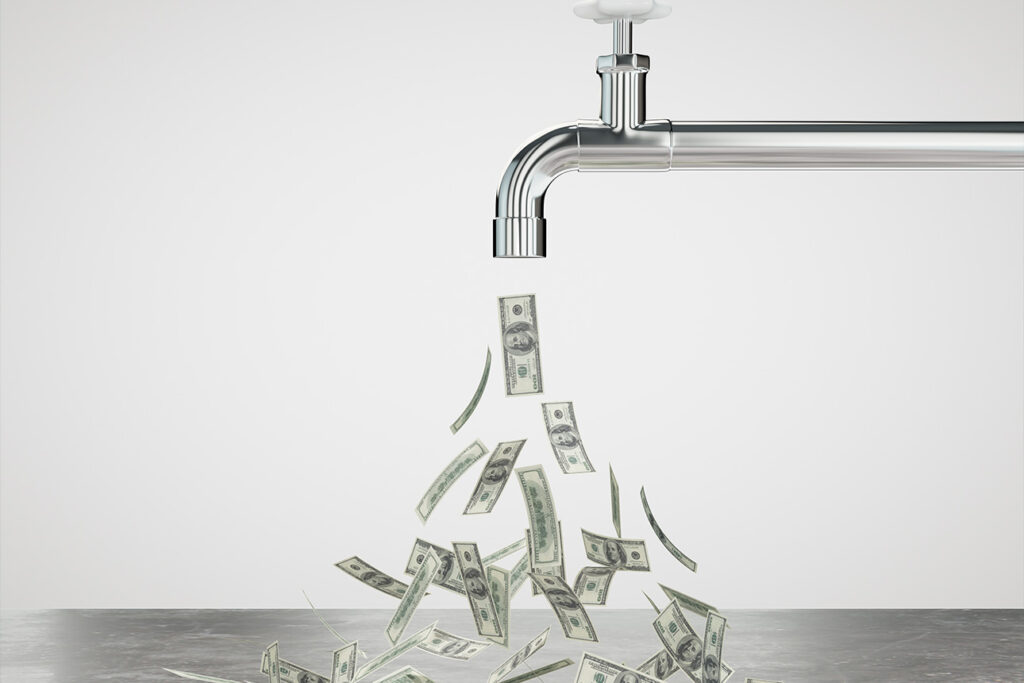
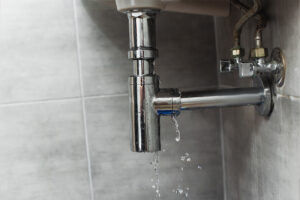
Cold weather can come with an unwelcome surprise: a much larger water bill. If your last statement looks higher than usual, stay calm — there’s almost always a reason and a fix. Below we explain the most common winter causes, how to spot hidden leaks early, what you can do to prevent repeat problems, and how Pither Plumbing in Longview, TX can help get things back to normal.
What Are the Common Causes of a Winter Water Bill Spike?
Winter brings a few predictable plumbing challenges that can bump up usage and costs. Knowing what to check first makes it faster to find the problem and stop the waste.
Pinpointing the underlying cause of plumbing issues speeds diagnosis and leads to smarter, longer-lasting repairs.
Residential Plumbing Defects: Causes & Repair
A practical review of common residential plumbing defects, how they develop, and typical repair approaches — useful background when troubleshooting unexpected water use.
Plumbing defects in residential buildings: analysis of anomalies and their causes, A Gurmu, 2023
- Hidden Leaks: Slow leaks behind walls, under floors, or beneath slabs can run for weeks without obvious signs — and even a trickle adds up on your bill.
- Frozen Pipes: Pipes that freeze and then split can release a lot of water quickly, creating a sudden jump in usage and costly repairs.
- Increased Hot Water Use: Colder weather often means longer showers and more hot laundry cycles, which raises both water and energy costs.
How Do Hidden Water Leaks Increase Your Winter Water Bill?
Hidden leaks waste water quietly. Usual culprits are running toilets, worn faucet seals, leaking water heaters, or damaged pipes under floors and behind walls. Even a small leak can dump hundreds or thousands of gallons over a month, so routine checks and quick repairs are the best defense against a surprise bill.
Studies show that detecting and managing household leaks reduces water loss and helps protect both wallets and infrastructure.
Residential Leak Detection & Water Loss
Findings on post-meter leak detection and household water-loss management highlight the value of early detection and targeted repairs for conservation and cost control.
Remote diagnosis of leakage in residential households, R Stewart, 2008
Can Frozen and Burst Pipes Cause Sudden Water Bill Increases?
Yes. When pipes freeze, they can crack or burst as the ice expands — and a burst pipe can discharge large amounts of water in a short time. Simple protections like insulating exposed pipes, keeping consistent indoor temperatures, and letting a faucet drip during extreme cold can significantly reduce the risk.
How Can You Detect Hidden Water Leaks During Winter?
Finding hidden leaks in winter is harder, but a few easy checks usually point you in the right direction before damage or big bills follow.
- Using Water Meters: Your water meter is one of the most reliable leak detectors. If the meter moves while nothing in the house is running, you likely have a leak.
- Visual Signs of Leaks: Inspect walls, ceilings, floors, and areas around appliances for damp patches, staining, or mold. Those signs often mark where a hidden leak is happening.
What Are the Signs of a Winter Water Leak to Watch For?
Watch for these common warning signs:
- Water Stains: Yellow or brown spots on walls or ceilings usually mean water is reaching places it shouldn’t.
- Mold Growth: Mold or mildew indicates persistent moisture — often the result of a slow leak.
- Unexplained Wet Spots: Puddles, soft or buckled flooring, or damp areas with no clear source are strong indicators of a hidden leak.
How to Use Your Water Meter to Identify Hidden Leaks?
Try this quick meter test at home:
- Turn Off All Water Sources: Make sure faucets, appliances, and irrigation systems are off.
- Check the Meter: Note the current reading.
- Wait for a Few Hours: Avoid using water for at least two hours — longer is better.
- Check the Meter Again: If the reading changed, you probably have a leak that needs attention.
What Expert Solutions Does Pither Plumbing Offer for Winter Water Bill Spikes?
How Does Video Camera Inspection Help Detect Hidden Leaks?
Video camera inspection lets our technicians look inside pipes without tearing out walls or digging up yards. It’s a fast, precise way to find the problem so we can fix it right the first time — saving you both time and money.
What Are the Benefits of Trenchless and Emergency Pipe Repair Services?
Trenchless repair lets us fix underground pipes with minimal digging, protecting your landscaping and speeding repairs. For urgent problems, our emergency team responds quickly to stop leaks and limit damage — which often prevents much larger repair bills later.
How Can You Prevent Future Winter Water Bill Spikes?
Preventing bill spikes takes simple, proactive steps that reduce risk and keep water use steady through cold weather.
- Pipe Insulation: Insulate exposed pipes in unheated areas to reduce freezing and the chance of bursts.
- Regular Plumbing Maintenance: Annual inspections and tune-ups catch small issues before they become costly emergencies.
Why Is Pipe Insulation Essential for Winter Water Bill Control?
Insulation lowers the likelihood of frozen or burst pipes. That keeps water flowing normally and avoids emergency repairs — the main cause of unexpected cost spikes.
What Regular Plumbing Maintenance Helps Avoid High Winter Water Bills?
Schedule yearly checks to hunt for leaks, test water heaters, and assess pipe condition. Routine service spots wear and tear early so you can fix issues on your schedule, not during a crisis.
What Special Considerations Exist for Commercial Properties in Winter?
Commercial buildings face extra winter plumbing challenges that can increase water use and costs if left unchecked.
- Increased Usage: Heating, sanitation, and higher occupancy can all push water use up during winter.
- Complex Plumbing Systems: More fixtures and longer pipe runs raise the chance of leaks and freeze points.
How Do Commercial Plumbing Challenges Affect Winter Water Bills?
Higher daily use combined with more complex systems can create surprising spikes. Regular monitoring and fast repairs help keep operations running and costs predictable.
What Commercial Leak Detection Services Are Available in Longview, TX?
Pither Plumbing provides advanced leak detection for businesses across Longview. Our tools locate leaks quickly and accurately so repairs are focused, fast, and cause minimal disruption to your operations.
When Should You Contact Pither Plumbing for Winter Water Bill Issues?
Knowing when to call a pro can prevent bigger problems. Reach out in these situations:
- Signs of Emergency: If you see major leaks, flooding, or a sudden loss of pressure, call right away.
- Routine Inspections: Book a preventive inspection before winter or anytime you suspect a slow issue.
What Are the Signs That Require Emergency Plumbing Services?
Call us immediately if you notice:
- Severe Leaks: Large pools of water or rapidly spreading wet areas in your home.
- Loss of Water Pressure: A sudden, unexplained drop in pressure that affects multiple fixtures.
How to Schedule a Professional Plumbing Inspection in Longview, TX?
To book an inspection with Pither Plumbing, call our office or use the contact form on our website. We recommend scheduling checks before winter so your system is ready for cold weather.
Service | Description | Benefit |
Video Camera Inspection | See inside pipes without demolition | Locate leaks quickly and repair them accurately |
Trenchless Repair | Fix underground pipes with minimal digging | Faster repairs and less damage to your property |
Emergency Plumbing Services | Rapid response for urgent leaks and bursts | Limits damage and reduces repair costs |
Pither Plumbing is here to help Longview homeowners and businesses tackle plumbing problems with clear answers and dependable repairs. Know the likely causes, act fast when you see signs, and call a pro when needed to keep water use — and your bill — under control.
Frequently Asked Questions
What are the signs that indicate I may have a frozen pipe?
Signs include little or no water flow from faucets, odd noises like gurgling or knocking in the pipes, or visible frost on exposed piping. If you suspect a freeze, check for cold spots along the line and watch closely for leaks once it thaws. Quick action can prevent a burst and serious water damage.
How can I prevent my outdoor plumbing from freezing in winter?
Disconnect and drain garden hoses, cover outdoor faucets with foam insulators, and winterize irrigation systems. If possible, shut off the water to outdoor spigots and drain those lines to avoid freezing and potential bursts.
What should I do if I experience a sudden drop in water pressure?
A sudden pressure drop can signal a leak or another plumbing issue. Check whether the problem affects one fixture or the whole house. If it’s widespread, look for visible leaks and call a plumber — they can run tests to find the source and recommend repairs.
Are there any DIY methods to detect leaks in my plumbing system?
Yes. Monitor your water meter for movement when no water is in use, inspect your home for stains or mold, and try a toilet dye test by adding food coloring to the tank to see if it seeps into the bowl without flushing. These simple checks can point to hidden leaks.
What are the benefits of using a professional plumbing service for leak detection?
Pros use specialized tools like video cameras and acoustic detectors to find leaks precisely without invasive work. That accuracy saves time and reduces property damage. Experienced plumbers also recommend targeted repairs and preventive steps to keep problems from coming back.
How often should I schedule plumbing inspections to prevent winter issues?
We recommend at least one inspection a year, ideally before winter. Regular checks help catch small leaks, weak pipes, or other issues early so you can fix them on your schedule instead of during an emergency.
What should I do if I suspect a hidden leak in my home?
Start with a water meter check as described above, and look for visual clues like stains, damp spots, or mold. If the meter moves when nothing is running or you find signs of moisture, call a plumber. A professional inspection will locate hidden leaks quickly and stop further damage.
How can I prepare my plumbing for winter to avoid high bills?
Insulate exposed pipes, disconnect and drain exterior hoses, keep indoor temperatures steady, and schedule a plumbing check before freezing weather arrives. These steps lower the chance of frozen pipes and expensive emergency repairs.
Are there specific plumbing issues that commercial properties face in winter?
Yes. Businesses often see higher water use for heating and sanitation, and larger, more complex systems have more potential freeze points and leak sources. Regular inspections and fast response plans help control costs and downtime.
What are the long-term benefits of regular plumbing maintenance?
Routine maintenance catches small problems early, extends the life of pipes and fixtures, improves system efficiency, and lowers the risk of emergency repairs — all of which save money and prevent unexpected bills over time.
How can I identify if my water bill spike is due to a plumbing issue?
Compare your current use to previous months, check the water meter for unexplained movement, and inspect your home for water stains, damp spots, or mold. If you can’t find the cause, schedule a professional inspection to locate hidden leaks or other issues.
What steps can I take to reduce my water bill during winter?
Repair leaks promptly, take shorter showers, limit unnecessary hot-water cycles, insulate pipes, and monitor your meter regularly. Combine these habits with annual plumbing checks to keep winter bills steady and predictable.